In modern cold chain logistics, maintaining the right temperature during transportation is essential for preserving the quality and safety of perishable goods. Industries such as food distribution, dairy, pharmaceuticals, and frozen products rely heavily on refrigerated transport systems. Two commonly used technologies in this field are eutectic systems and conventional refrigerated transport. While both aim to maintain low temperatures, they operate in very different ways and offer distinct advantages.
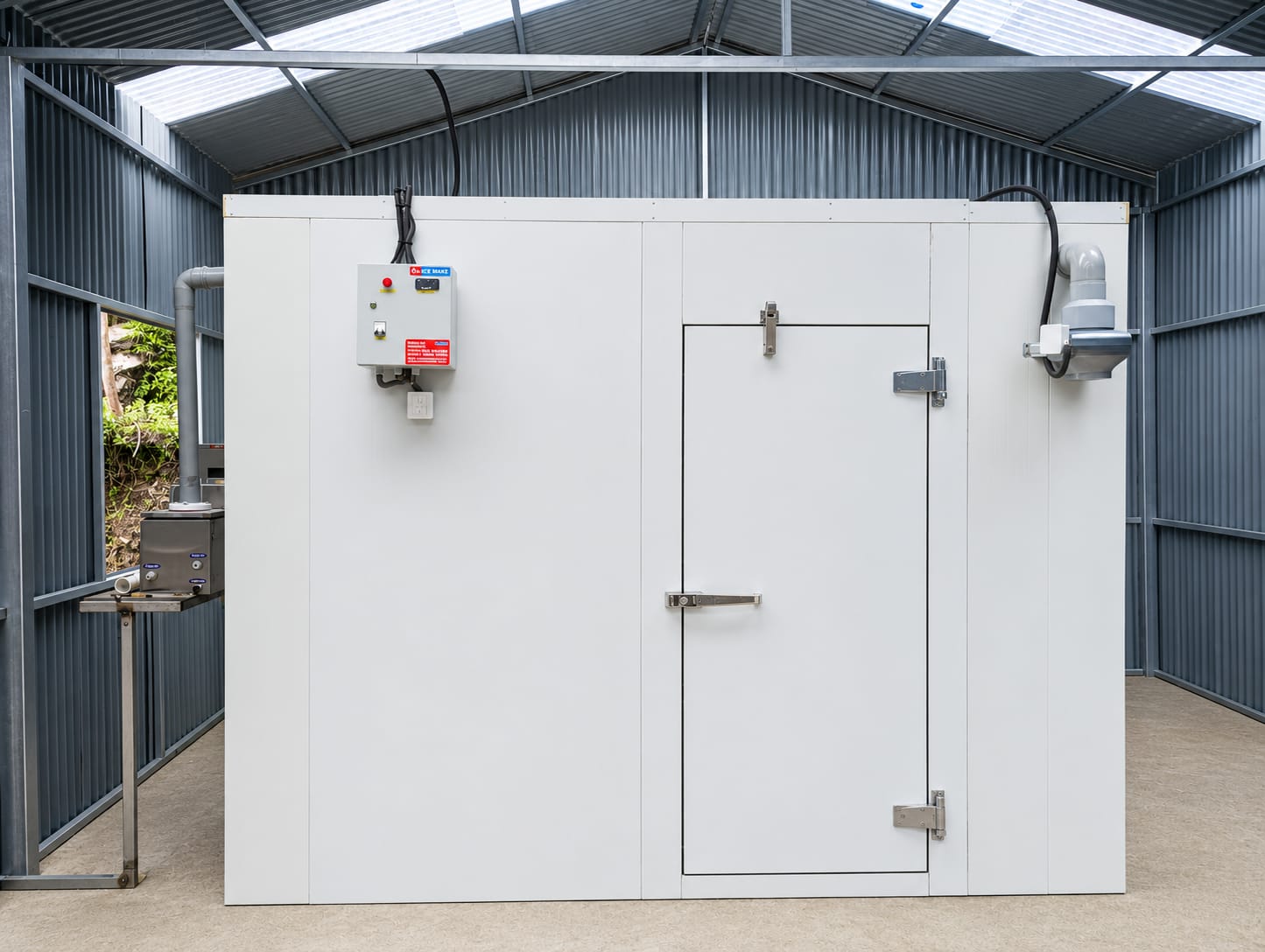
A eutectic system, often used in a eutectic mobile container, works by storing “cold energy” in eutectic plates or blocks filled with a special solution. These plates are frozen in advance using a stationary refrigeration unit. Once fully charged, the container can maintain a stable low temperature for an extended period without needing continuous power. During transportation, the frozen eutectic plates gradually release cold energy, keeping the internal temperature stable.
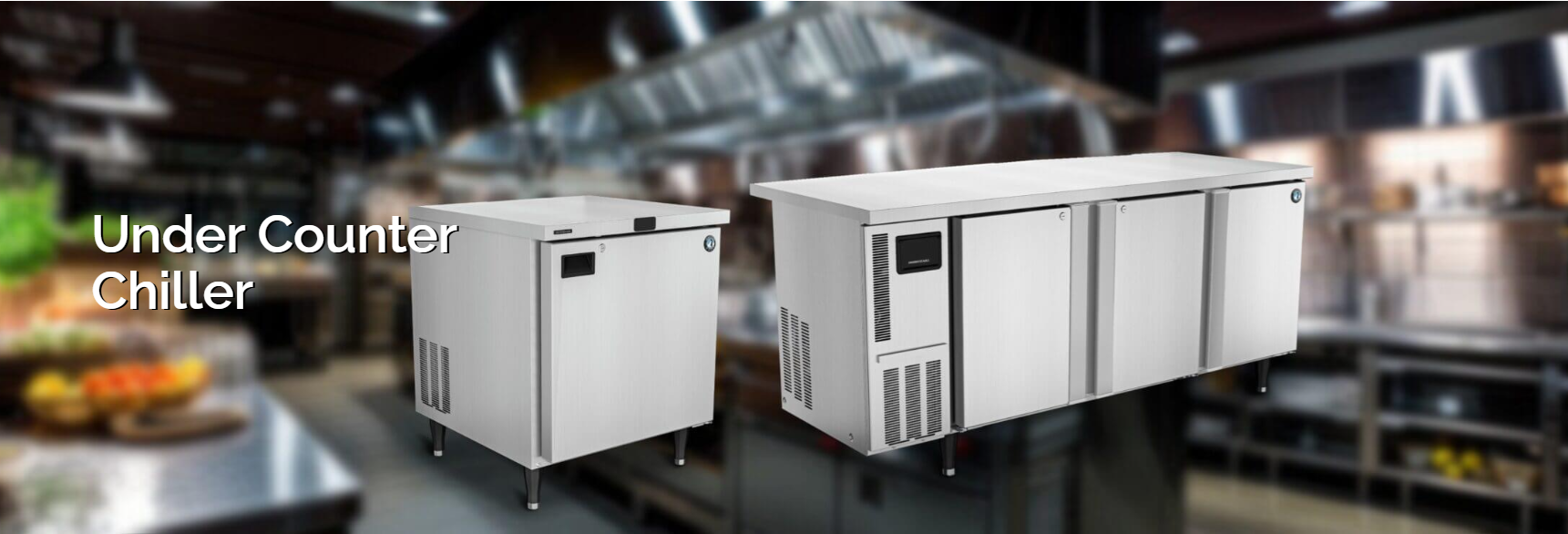
On the other hand, conventional refrigerated transport relies on an active refrigeration system powered by a vehicle engine or external electricity source. This system continuously runs a compressor to maintain the desired temperature inside the cargo space. As long as the system is powered, cooling is maintained, but it stops or becomes less effective when power is interrupted or the system is switched off.
One of the key differences between the two systems is energy dependency. A eutectic system does not require continuous power during transport. Once the eutectic plates are charged, they provide cooling independently. This makes it highly reliable for routes where power supply or fuel efficiency is a concern. Conventional refrigerated transport, however, depends entirely on continuous energy supply, which can increase fuel consumption and operating costs.
Another major difference is temperature stability. Eutectic systems offer very stable and uniform cooling because the stored cold energy is released gradually. This ensures minimal temperature fluctuation, which is especially important for sensitive products like vaccines, dairy, and frozen foods. Conventional systems may experience slight temperature variations depending on engine performance, door openings, or external weather conditions.
Maintenance and operational cost also differ significantly. Eutectic systems generally have lower running costs because they do not require constant energy during transport. However, they need proper charging facilities and planning before use. Conventional refrigerated transport has higher ongoing fuel and maintenance costs due to continuous compressor operation.
In terms of usability, eutectic systems are ideal for short to medium-distance deliveries where vehicles make multiple stops or operate in urban areas. They are also highly useful in situations where noise reduction and energy efficiency are important. Conventional refrigerated transport is more suitable for long-distance and continuous transportation where real-time temperature control is required throughout the journey.
Both systems play an important role in the cold chain industry, and the choice depends on business needs, route planning, and product type. Selecting the right system can significantly improve efficiency and reduce product losses.
For businesses looking for advanced cold chain solutions, RM Agrotech Pvt. Ltd. provides reliable eutectic mobile containers and refrigeration systems designed for efficient temperature-controlled transport. The company offers customized solutions, installation, and technical support to ensure safe and efficient delivery of perishable goods.
In conclusion, eutectic systems and conventional refrigerated transport differ mainly in how they generate and maintain cooling. Eutectic systems use stored cold energy for passive cooling, while conventional systems rely on continuous mechanical refrigeration. Understanding these differences helps businesses choose the most efficient and cost-effective solution for their cold chain operations.