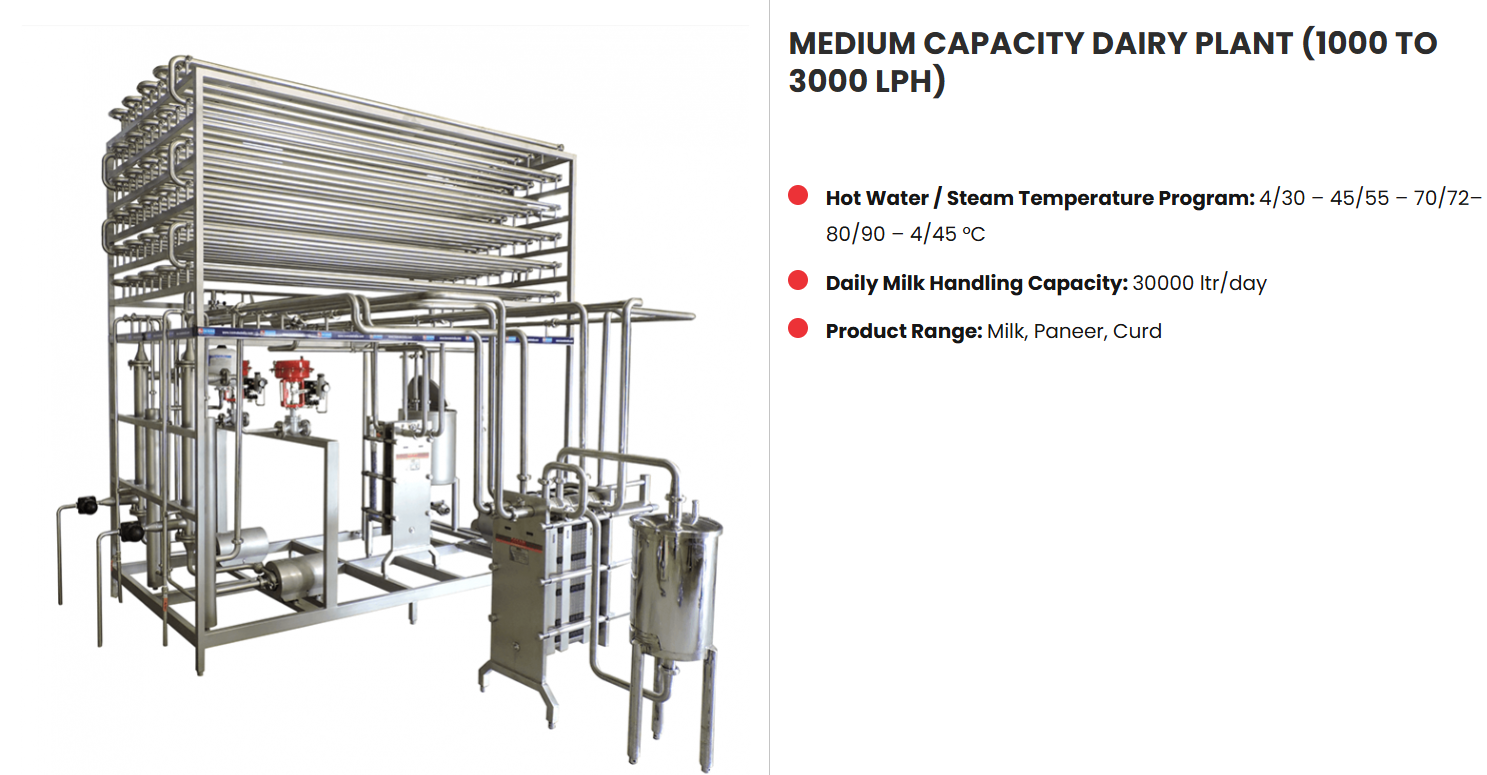
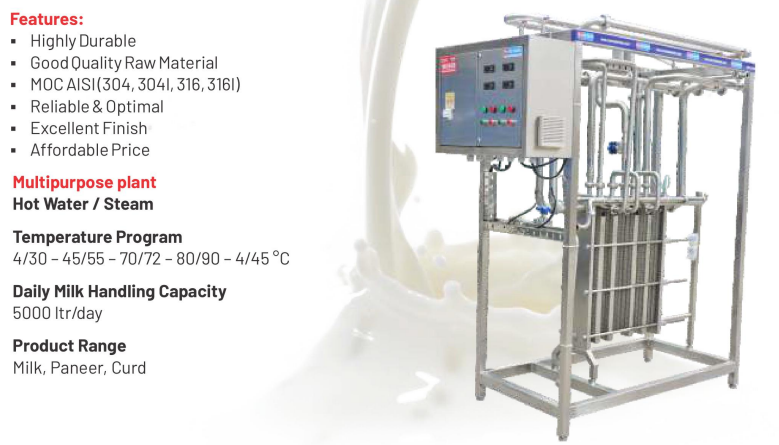
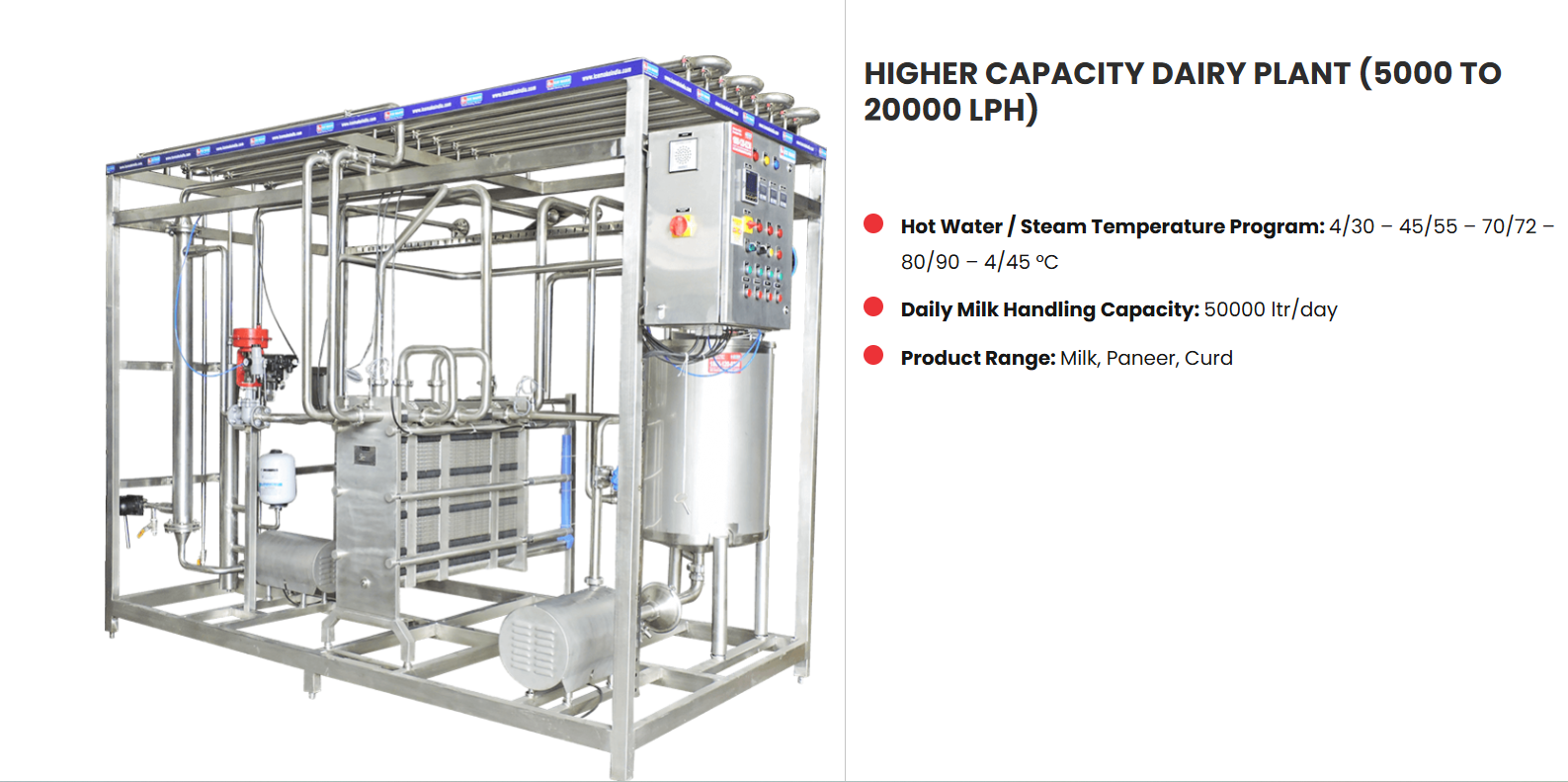
In the modern dairy industry, milk processing plays a very important role in ensuring that safe, hygienic, and high-quality milk reaches consumers. With increasing demand for dairy products, many entrepreneurs and cooperatives are investing in medium-scale processing systems known as medium capacity dairy plants (1000 to 3000 LPH). These plants are designed to handle moderate volumes of raw milk efficiently while maintaining strict quality and hygiene standards.
A medium capacity dairy plant with a processing range of 1000 to 3000 liters per hour (LPH) is a complete milk processing system that collects raw milk, filters it, pasteurizes it, cools it, and prepares it for packaging and distribution. It is widely used in milk collection centers, dairy cooperatives, and small to medium dairy industries where consistent production and quality control are essential.
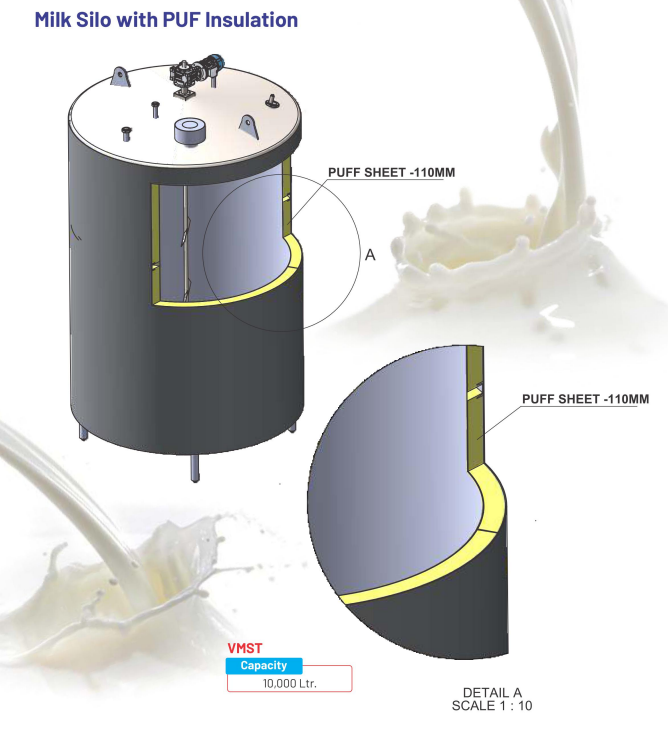
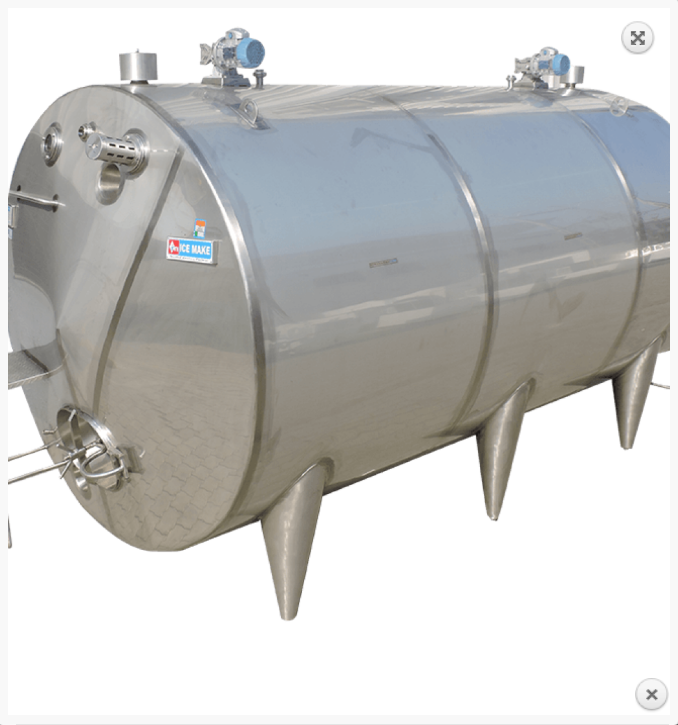
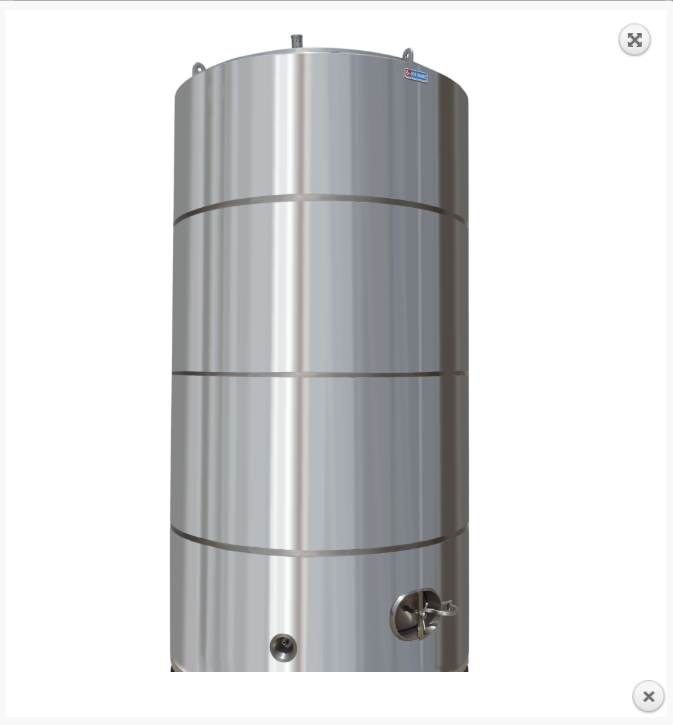
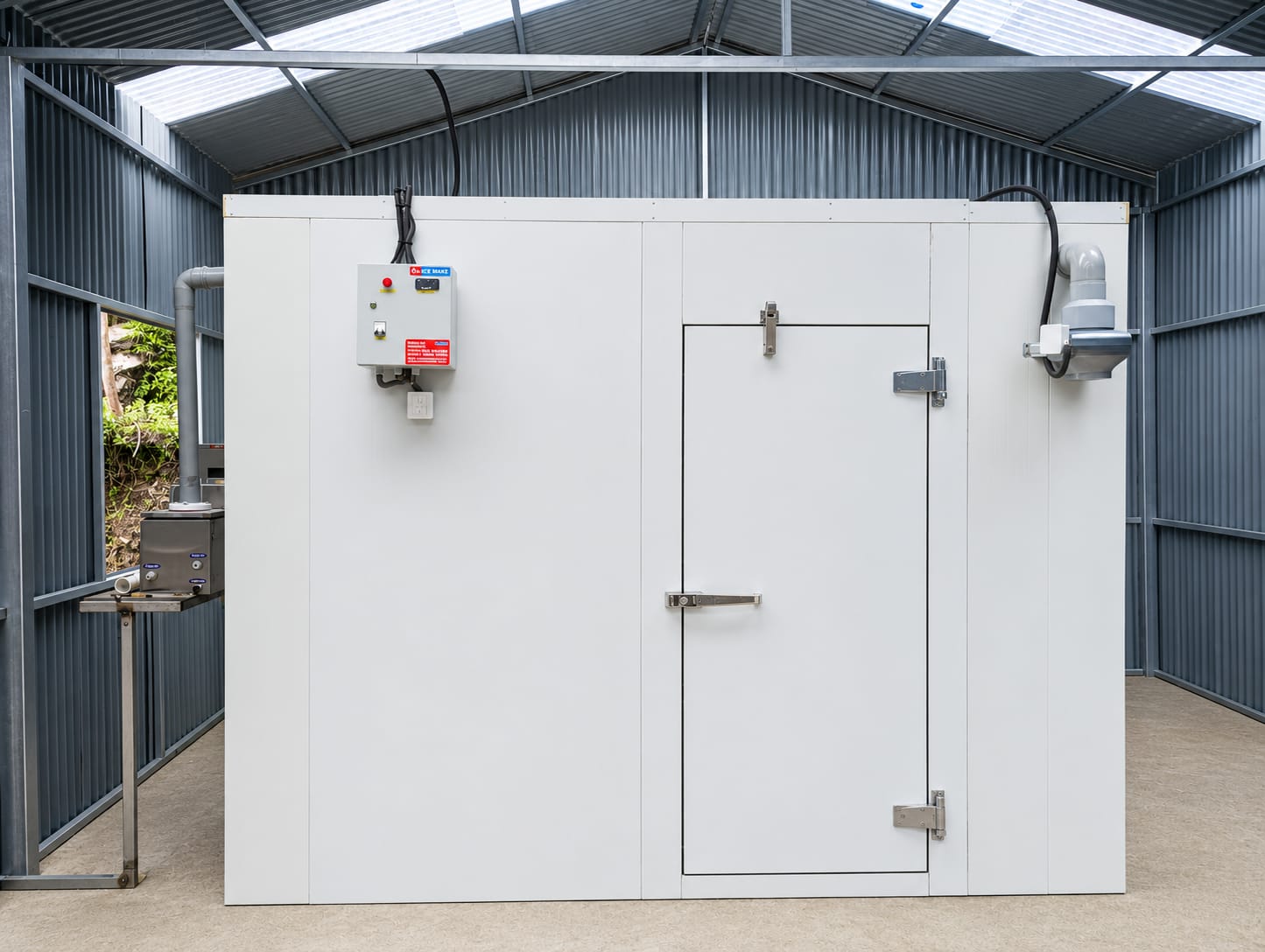
This type of dairy plant typically includes several integrated units such as a milk reception section, milk storage tanks, pasteurizer, homogenizer, cream separator, chilling unit, and packaging system. All these components work together in a systematic flow to ensure that milk is processed safely and efficiently without contamination.
The working process of a medium capacity dairy plant begins with the reception of raw milk, which is tested for quality parameters such as fat content, temperature, and purity. After testing, the milk is transferred into storage tanks where it is cooled and temporarily stored. From there, it is pumped into a pasteurization unit where it is heated to a specific temperature and then rapidly cooled to eliminate harmful bacteria while preserving nutritional value. After pasteurization, the milk may be standardized or separated depending on product requirements and then sent for packaging in hygienic conditions.
One of the main advantages of a 1000 to 3000 LPH dairy plant is its balanced production capacity. It is neither too small nor too large, making it ideal for growing dairy businesses. It allows entrepreneurs to process a significant amount of milk daily while maintaining quality control and operational efficiency. These plants are also more cost-effective compared to large industrial setups and are easier to operate and maintain.
Another advantage is flexibility. Medium capacity dairy plants can produce a variety of milk products such as pasteurized milk, toned milk, standardized milk, and sometimes even by-products like cream and butter. This helps dairy businesses diversify their product range and increase profitability.
However, setting up a dairy plant of this capacity requires proper planning, technical knowledge, and investment. Regular maintenance, skilled operators, and quality control systems are necessary to ensure smooth operation and consistent product quality.
In Nepal, the demand for modern dairy processing systems is increasing rapidly, and companies like RM Agrotech Pvt. Ltd. are playing an important role in this development. The company provides complete solutions for medium capacity dairy plants, including equipment supply, installation, technical support, and maintenance services. With reliable machinery and professional service, RM Agrotech Pvt. Ltd. helps dairy entrepreneurs establish efficient and hygienic milk processing systems that meet modern industry standards.
In conclusion, a medium capacity dairy plant (1000 to 3000 LPH) is an ideal solution for developing dairy businesses that aim to process milk efficiently while maintaining high quality and hygiene. It offers a perfect balance between production capacity, cost, and flexibility, making it a key component in the growth of the dairy industry. With the support of experienced providers like RM Agrotech Pvt. Ltd., dairy entrepreneurs can successfully build and operate modern processing plants that contribute to food safety and rural economic development.